Learning Game Tabletop Simulator
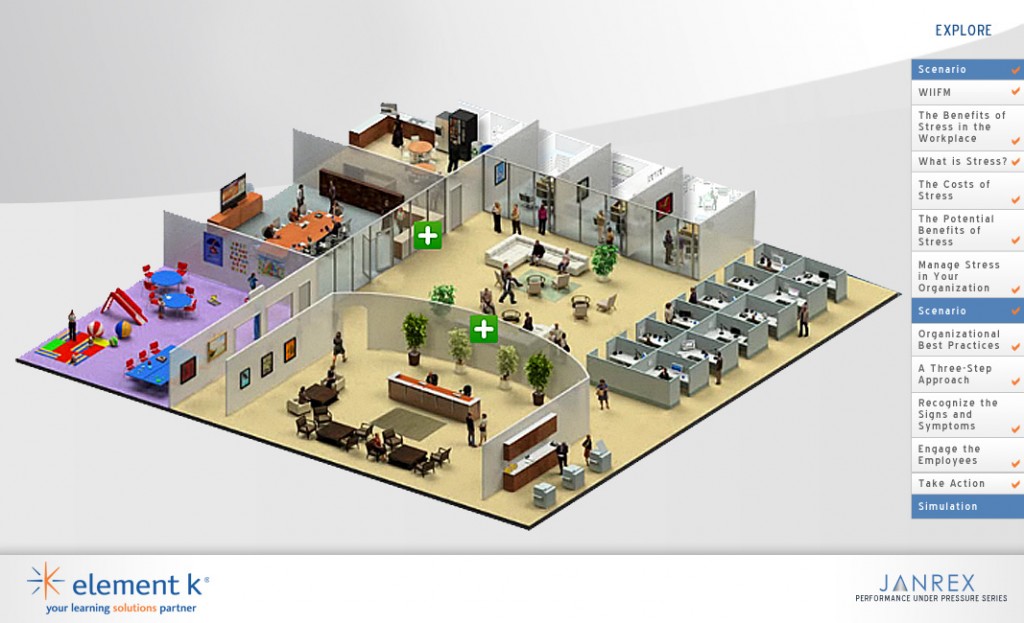
I was approached by the CEO of Element K to return to work for them on an initiative to develop a new product category they called “Learning Games.” This came about after I had published a series of posts exploring various game characteristics using descriptive cards.
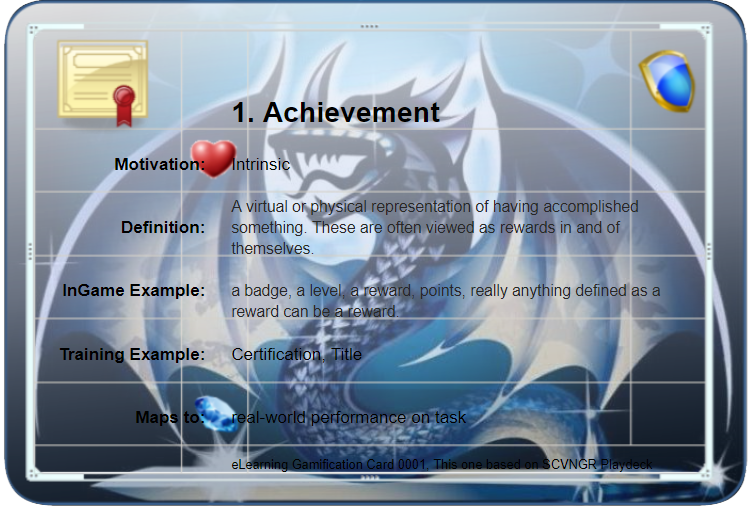
The tactic of isolating these characteristics was my effort to extract a vocabulary or taxonomy of atomic game elements. Once deconstructed and described on cards, my goal was to see if they could be configured in multiple ways to provide a kind of motivational framework for learning and development experiences, particularly involving “soft skills.”
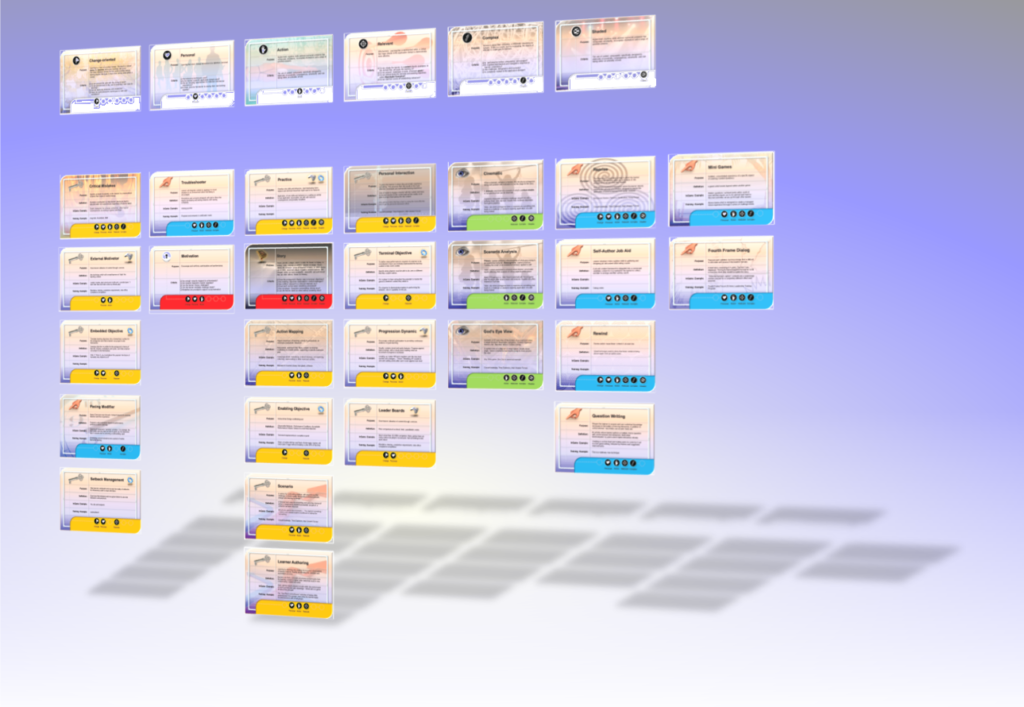
The cards were one dimension of several involved in designing a successful learning experience. Another dimension concerned determining what type of framework was required to support learning. In a learning continuum that ranges from simple facts up to abstract principles, we may need to support memorization up to a thesis defense.
For workplace soft skills training, having characters model interpersonal scenarios in the context of a narrative provided an appropriate vehicle to organize content in a meaningful challenge arc.
Unity was an excellent tool to develop rapid iterations for an environment where a learner could watch a scenario unfold in a “God’s eye view”, rewind and watch alternate paths unfold to explore different ways to manage a situation.
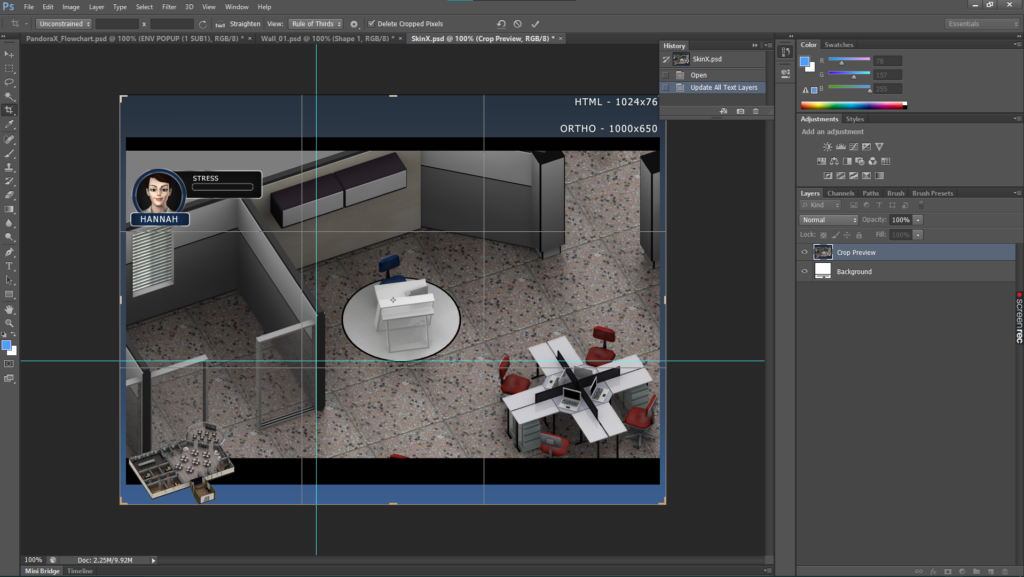
Other tools included Photoshop and Lightwave. Orthographic project was used to enable the ability to pan and zoom and superimpose characters and animations without requiring a 3D engine to handle perspective and scale: